Innovation Leads the Trend, Quality Drives Value

In the world of machining, choosing the right equipment is essential to ensure efficiency and precision in production processes. Universal milling machines, along with vertical and horizontal milling machines, are fundamental tools in the manufacturing industry. Each type of milling machine offers unique features and benefits, and understanding these differences can help manufacturers select the best machine for their specific needs. This article will explore the key distinctions between universal milling machines, vertical milling machines, and horizontal milling machines to help you make an informed decision for your workshop or production line.
A universal milling machine for sale is a versatile tool capable of performing a variety of milling operations. Unlike traditional vertical or horizontal milling machines, the universal milling machine features a table that can be swiveled to perform both vertical and horizontal milling. This flexibility allows operators to complete a wide range of tasks, such as drilling, boring, and slotting, all on a single machine. The primary feature that sets the universal milling machine apart is its ability to handle different types of cuts by adjusting the position of the workpiece and the cutting tool. This versatility makes it an ideal choice for workshops that require both horizontal and vertical milling in one machine, providing substantial savings in space and cost for manufacturers.
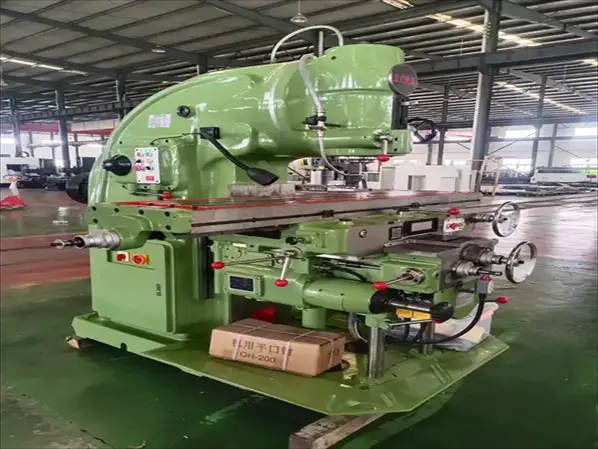
A vertical milling machine for sale is typically used for precision operations where the cutting tool is mounted vertically. The table moves vertically and horizontally, allowing the workpiece to be adjusted for cutting. This design is particularly well-suited for tasks such as drilling, boring, and surface milling. Unlike the universal milling machine, which can switch between vertical and horizontal milling, the vertical milling machine is designed specifically for vertical cuts, offering excellent precision for tasks that require great detail. While vertical milling machines are highly effective for many applications, they are limited to vertical milling operations, whereas universal milling machines provide greater flexibility by accommodating both vertical and horizontal cuts without needing to change machines.
A horizontal milling machine for sale differs from both vertical and universal milling machines in its configuration. In horizontal milling machines, the cutting tool is positioned horizontally, and the workpiece is fed along the machine's horizontal axis. This design is particularly beneficial for tasks that require deeper cuts and larger-scale operations, such as slotting or large surface grinding. However, unlike universal milling machines, which offer the ability to switch between horizontal and vertical milling with ease, horizontal milling machines are limited to horizontal operations. The ability to handle both horizontal and vertical milling in a universal milling machine offers more versatility, making it suitable for a wider range of manufacturing applications and reducing the need for multiple machines in a workshop.
To better understand the distinctions between these machines, let's take a closer look at their capabilities in the table below:
Feature | Universal Milling Machine | Vertical Milling Machine | Horizontal Milling Machine |
Milling Position | Can perform both vertical and horizontal milling | Limited to vertical milling | Limited to horizontal milling |
Flexibility | High flexibility for a range of operations | Primarily for vertical operations | Best for large or deep cuts in horizontal orientation |
Workpiece Setup | Adjustable table for both vertical and horizontal milling | Table movement is mainly vertical | Fixed horizontal setup |
Type of Cuts | Capable of drilling, boring, slotting, and more | Best for precise vertical cuts | Suitable for deeper cuts and larger materials |
Complexity | Higher complexity due to adjustable features | Simpler design for straightforward milling tasks | Requires more setup for different cuts |
Efficiency for Specific Tasks | Versatile for a variety of tasks | Ideal for tasks requiring vertical milling precision | More efficient for horizontal milling tasks |
As seen in the table, universal milling machines provide the versatility to perform both horizontal and vertical milling operations. In contrast, vertical milling machines are limited to vertical operations, and horizontal milling machines excel in large-scale, deep cutting tasks. The universal milling machine stands out as the most adaptable option for shops that need flexibility in machining different workpieces without changing machines.
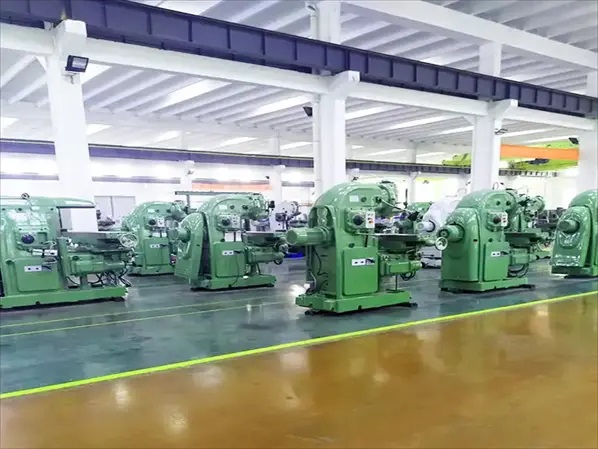
In conclusion, universal milling machines offer superior versatility compared to vertical and horizontal milling machines, making them an excellent choice for manufacturers that require a wide range of milling operations. By combining the features of both vertical and horizontal milling, the universal milling machine helps save space, reduce costs, and increase operational efficiency. Whether you are working with intricate components requiring high precision or large parts that need robust cuts, the universal milling machine provides the flexibility and adaptability required to meet diverse manufacturing needs. For businesses looking to streamline their operations with versatile machinery, the universal milling machine is the ideal choice. Boost your machining capabilities with an industry-leading precision milling machine.
References:

 English