Innovation Leads the Trend, Quality Drives Value

The ever-evolving landscape of manufacturing relies heavily on industrial metal working machines to meet the demand for high-quality, precise components. These machines are the backbone of industries ranging from automotive and aerospace to construction and consumer electronics. As technological advancements continue to shape manufacturing processes, metalworking solutions that integrate precision, efficiency, and automation have become essential for businesses seeking to stay competitive. This article explores the role of industrial metal working machines in modern manufacturing and how innovative metalworking solutions are transforming industries.
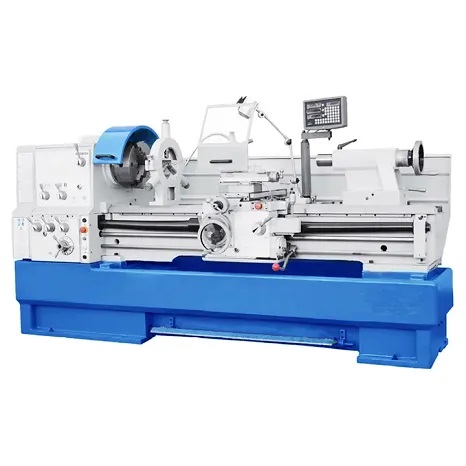
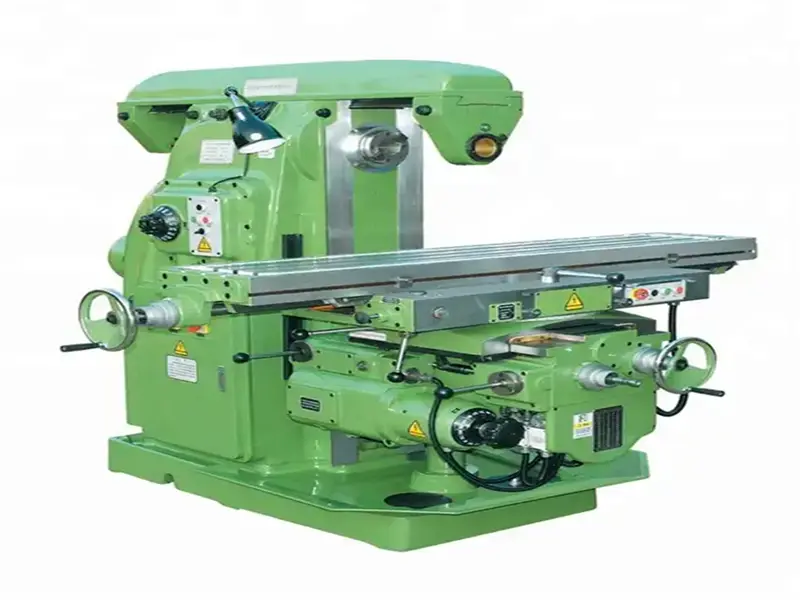
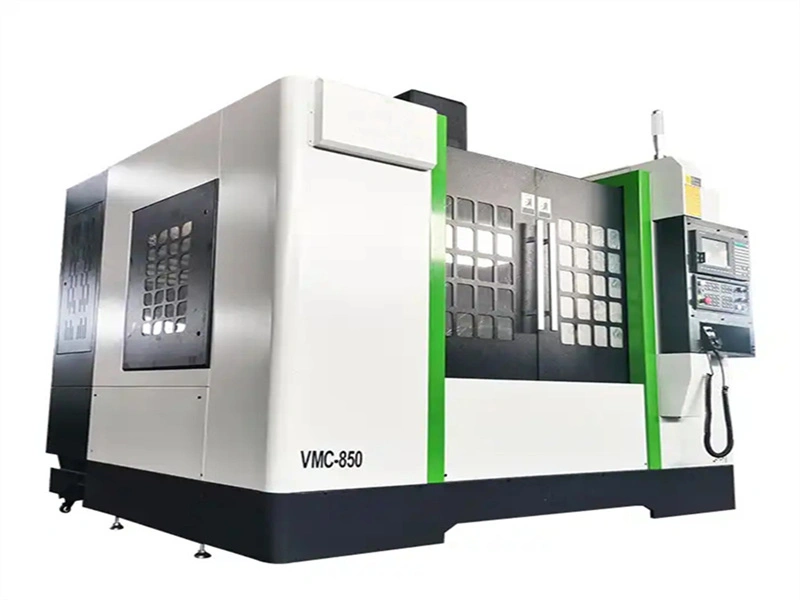
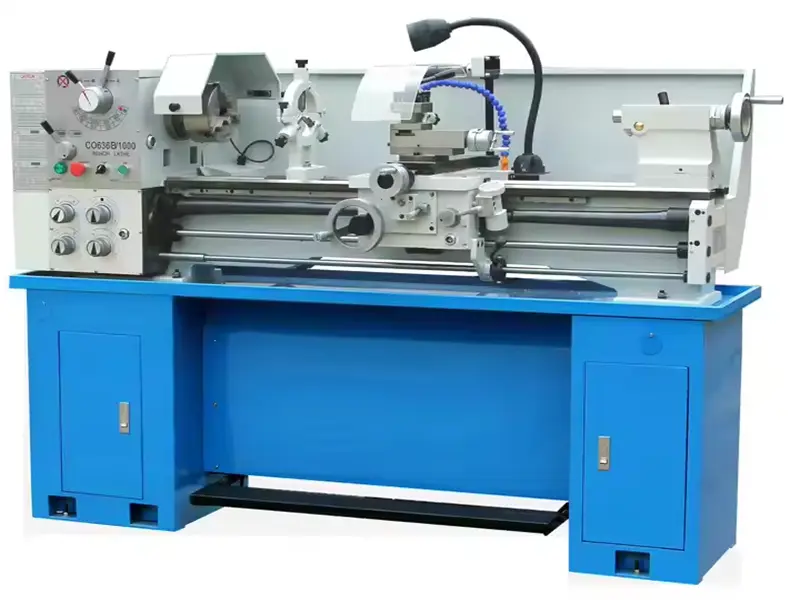
Industrial metal working machines are designed to manipulate metal into precise shapes, sizes, and forms for use in a wide array of applications. These machines encompass a broad range of equipment such as CNC machines, lathes, milling machines, and hydraulic presses. The primary function of these machines is to create parts with high accuracy and repeatability, ensuring that manufacturers can produce components that meet stringent quality standards. By leveraging advanced features such as automated controls, real-time data monitoring, and improved tooling, industrial metal working machines enable businesses to increase production capacity while maintaining superior product quality.
The significance of metalworking solutions in modern manufacturing cannot be overstated. As industries demand faster production times and higher precision, businesses are turning to more sophisticated equipment to meet these challenges. Industrial metal working machines equipped with computer numerical control (CNC) technology allow for precise cuts and machining operations that would be difficult to achieve manually. This level of precision is especially critical in sectors like aerospace, where even the smallest deviation can have serious consequences for safety and performance. Metalworking solutions offer greater flexibility, improved speed, and reduced operational costs, making them indispensable to businesses seeking to optimize production and reduce waste.
In recent years, the integration of automation into metalworking solutions has significantly changed how industrial metal working machines are used. Automation enables machines to operate with minimal human intervention, improving production speed and consistency. Machines equipped with automated systems can continuously operate, reducing the need for breaks and downtime, while ensuring high-quality outputs throughout long production runs.
Industrial metal working machines equipped with automated features like automatic tool changers, robotic arms, and material handling systems are increasingly common in manufacturing plants. These advancements enable manufacturers to create more complex components with less manual labor, reducing human error and increasing operational efficiency. Automation also allows for the integration of predictive maintenance systems, which can detect issues before they lead to machine breakdowns. With metalworking solutions that incorporate automation, businesses can ensure that their equipment remains reliable, reducing both maintenance costs and unplanned downtime.
Advanced metalworking solutions offer several key benefits that directly contribute to the success of manufacturing operations. These solutions improve the overall quality of the production process by enabling faster cycle times, reducing material waste, and improving repeatability. As industrial metal working machines become more advanced, they offer enhanced capabilities like multi-axis machining, which allows for more intricate and precise cuts. This is especially useful for industries that require high levels of detail, such as medical device manufacturing and electronics assembly.
Another advantage of metalworking solutions is their ability to optimize the entire production process. With integrated data analytics, manufacturers can monitor machine performance in real time, gaining insights into machine utilization, energy consumption, and output quality. These insights allow businesses to identify inefficiencies and optimize processes for maximum productivity. Additionally, industrial metal working machines with advanced features like adaptive controls can automatically adjust machining parameters to account for material variances, ensuring that every component meets the required specifications.
Are you searching for high-performance metal working machines for sale to enhance your fabrication capabilities? When considering industrial metal working machines, manufacturers often face the choice between universal machines, which can handle a wide range of tasks, and specialized machines, which are designed for specific operations. The following table compares the two types of machines based on their features and applications:
Feature | Universal Metalworking Machines | Specialized Metalworking Machines |
Flexibility | Can perform various tasks, including turning, milling, and drilling | Designed for specific tasks, such as CNC turning or milling |
Application Range | Ideal for small to medium-sized production runs, prototyping, and custom jobs | Best for high-volume, repetitive manufacturing |
Customization | Machines can be adapted to perform different functions | Limited flexibility, designed for particular operations |
Setup Time | Longer setup times due to the variety of tasks | Shorter setup times, optimized for mass production |
Cost Efficiency | More cost-effective for diverse projects and low-run productions | More cost-effective for mass production of specific parts |
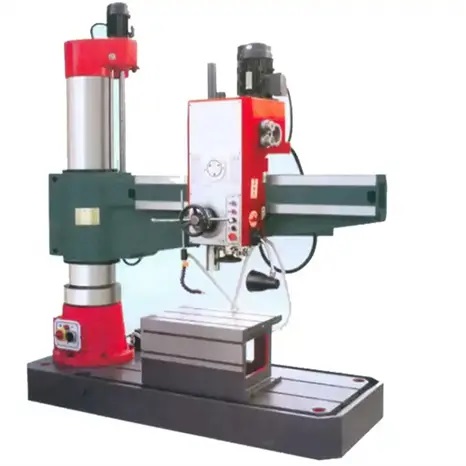
In conclusion, industrial metal working machines and metalworking solutions play a vital role in modern manufacturing by enhancing precision, efficiency, and flexibility. With advancements in automation and the integration of sophisticated technologies, metalworking solutions help businesses streamline production processes, reduce waste, and maintain high levels of quality. By investing in industrial metal working machines equipped with the latest technologies, manufacturers can improve their competitiveness and adapt to the ever-evolving demands of the industry. As industries continue to grow and innovate, the importance of metalworking solutions in driving efficiency and ensuring top-tier production standards will only increase.
References:
The Evolution of CNC Machines and Their Impact on Manufacturing
Automation in Metalworking: How Technology is Changing the Industry

 English