Innovation Leads the Trend, Quality Drives Value

Hydraulic decoiler machines play a critical role in industries that require efficient and precise uncoiling of metal coils. These machines are used in various manufacturing processes, including metal forming, stamping, and rolling. To ensure the longevity, efficiency, and reliability of your hydraulic decoiler machine, regular maintenance is essential. Proper care not only extends the lifespan of the machine but also helps maintain the quality of the material being uncoiled, reduces downtime, and increases overall production efficiency.
Regular inspections are crucial for maintaining the functionality of a hydraulic decoiler machine. During inspections, operators should check the key components such as the hydraulic system, motor, and tensioning mechanisms for signs of wear or damage. A routine check of the hydraulic fluid levels, hoses, and seals ensures that there are no leaks, which can lead to a drop in pressure and machine failure. Additionally, the uncoiling mechanism should be examined for any misalignments or irregularities. Early detection of potential issues allows for timely repairs, preventing more significant problems and costly downtime. Adhering to a regular inspection schedule ensures that your hydraulic decoiler machine is always ready for production and operating at its best.
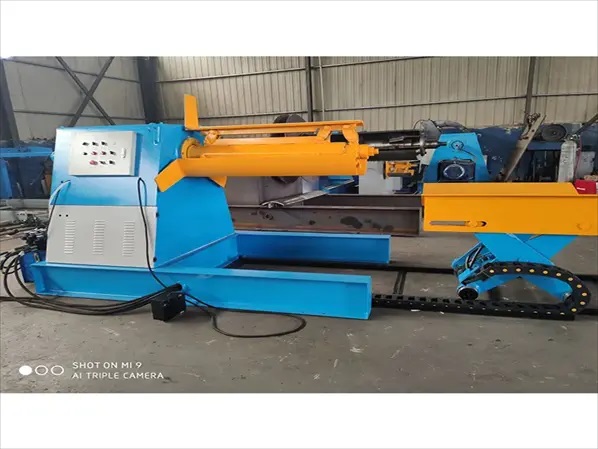
Lubrication and proper hydraulic fluid maintenance are essential for the smooth operation of a hydraulic decoiler machine. The hydraulic system of the decoiler relies on high-quality hydraulic fluid to transmit power effectively. Over time, the hydraulic fluid can become contaminated or degraded, leading to inefficient operation and potential damage to the pump, cylinders, and other hydraulic components. It is essential to monitor the hydraulic fluid levels regularly and replace the fluid according to the manufacturer's recommendations. Additionally, lubricating the moving parts of the decoiler machine, such as gears, rollers, and bearings, helps reduce friction, prevent excessive wear, and ensure smooth operation. A well-maintained hydraulic system not only improves machine performance but also prevents costly repairs and downtime.
The tension control system of a hydraulic decoiler machine is responsible for regulating the tension of the metal coil during the uncoiling process. Maintaining proper tension is essential to prevent the coil from being damaged or misaligned. Regularly checking and adjusting the tension control system is necessary to ensure that it is functioning correctly. Operators should verify that the tensioning mechanisms, including the brake or clutch system, are operating smoothly and that there is no excessive slack or over-tension. Adjustments may be needed if the machine is handling different coil sizes or materials, as different metals require different tension settings. Regular calibration of the tension control system ensures that the coil is fed into the production line smoothly and consistently, preventing errors or defects in the finished product.
Searching for reliable metal working machines for sale? Understanding the maintenance differences between hydraulic decoiler machines and mechanical decoilers can help operators choose the right maintenance practices for their machines. The following table compares the maintenance needs of hydraulic decoilers with those of mechanical decoilers:
Maintenance Aspect | Hydraulic Decoiler Machine | Mechanical Decoiler |
Hydraulic System | Requires regular fluid checks and pressure maintenance | No hydraulic system to maintain |
Lubrication | Requires lubrication of hydraulic components and moving parts | Lubrication typically needed for mechanical components |
Tension Control | Often features automatic tension control systems that need calibration | Manual tensioning and adjustments are typically needed |
Cooling System | Requires routine coolant checks and system cleaning | No cooling system required |
Component Wear | More parts (hydraulic pumps, valves) prone to wear and require regular checks | Less wear, primarily focused on mechanical parts like gears and rollers |
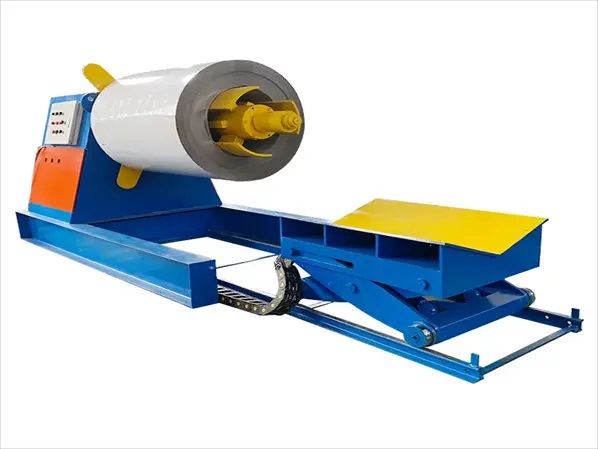
The cooling system of a hydraulic decoiler machine plays a vital role in maintaining the proper operating temperature of the hydraulic components. Overheating can cause damage to critical parts, including the hydraulic pump and motor, leading to inefficiency or failure. Regular maintenance of the cooling system is essential to ensure that it is working effectively. Operators should check the coolant levels regularly and ensure that the cooling system's filters and radiators are clean and free of debris. In addition, it's essential to ensure that the coolant used is of the proper type and quality, as poor-quality coolant can cause corrosion or clogging within the system. Proper cooling system maintenance extends the lifespan of the hydraulic system, ensuring the smooth and continuous operation of the hydraulic decoiler machine.
In conclusion, maintaining your hydraulic decoiler machine is essential for maximizing its lifespan and ensuring consistent, high-quality performance in your production line. By adhering to regular inspection schedules, maintaining proper lubrication, ensuring the hydraulic system is in optimal condition, and checking tension control settings, you can keep your hydraulic decoiler machine operating efficiently. Proper maintenance not only reduces the risk of machine failure and downtime but also improves the overall productivity of your manufacturing process. A well-maintained hydraulic decoiler machine is an investment that can save you money in the long run by preventing costly repairs and ensuring the machine's reliability in your production environment. Advanced metalworking solutions ensure superior strength, corrosion resistance, and dimensional accuracy.
References:

 English