Innovation Leads the Trend, Quality Drives Value

Installing and setting up a vertical decoiler properly is a critical step in ensuring smooth operation and long‑term performance of your decoiler uncoiler machine. Whether integrating the machine into an existing production line or setting it up for a new process, careful attention to installation and setup can dramatically improve reliability, material handling accuracy, and machine uptime. Decoiler uncoiler machines are designed to handle coiled materials such as steel, aluminum, and other metals, feeding them consistently into downstream processes like roll forming, cutting, or stamping. A well‑executed setup aligns mechanical systems, ensures appropriate tension control, and supports safe, efficient operation. This guide offers practical advice and tips for getting the most out of your decoiler uncoiler machine from the outset.
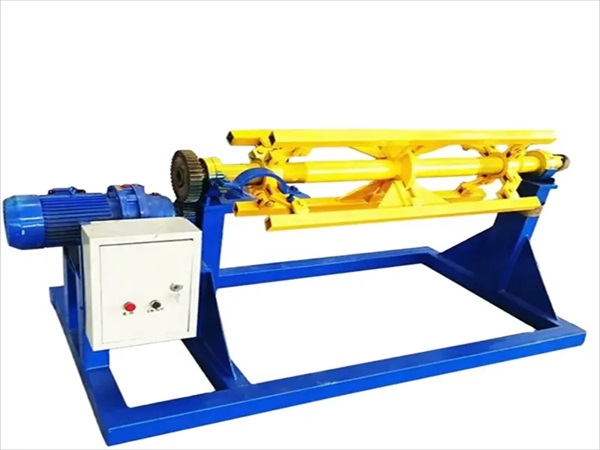
Before setting up a vertical decoiler, it is essential to prepare the installation site to support the machine's operational requirements. A stable, level surface free of debris, moisture, and vibration will help ensure that the decoiler operates efficiently and reliably. Position the machine so that it aligns with the production line's feed direction, allowing material to move smoothly from the coil into subsequent processing equipment. Ensure there is adequate space around the machine for operators to access controls, adjust settings, and perform routine maintenance. Proper electrical supply and grounding must be verified before connecting the machine, and the workspace should provide enough clearance for loading and unloading heavy coils. Proper site preparation for your vertical decoiler eliminates unnecessary stress on mechanical components, helps maintain material alignment, and contributes to a safer working environment.
Accurate alignment and leveling are fundamental to achieving optimal performance from a decoiler uncoiler machine. When setting up a vertical decoiler, the machine must be aligned both horizontally and vertically so that the coil is centered and material feeds straight into the production line without twisting or deviation. Use precision leveling tools to adjust the machine's base and ensure that it is perfectly horizontal, as any misalignment can cause uneven tension, increased wear on parts, or material wrinkling. Once the machine is level, adjust the decoiler's arms and coil expansion mechanisms so that the coil fits snugly, preventing lateral movement during uncoiling. Align the decoiler with the entry point of the next machine, whether a roll former, cutter, or press, to maintain consistent material pathing. Proper alignment and leveling of your vertical decoiler reduce strain on the material and equipment, leading to smoother operation and fewer production issues.
One of the most important aspects of installing a vertical decoiler is setting up the tension control and material feeding system correctly. Tension control ensures that the coil unwinds at a consistent rate, preventing slack and avoiding undue stress on the material or downstream equipment. Begin by adjusting the tension brakes or hydraulic tension mechanisms according to the type of material and coil weight. For heavier or stiffer materials, a firmer tension setting may be necessary to prevent uncontrolled pay‑off, while more delicate materials require gentler control to avoid stretching or deformation. Test the feeding system with a sample coil to observe how the material uncoils and flows into the next machine. Fine‑tune the tension settings and feed rate until the material proceeds evenly without hesitation or tugging. Proper tension and feed setup on your vertical decoiler not only improves the quality of the finished product but also extends the life of both the decoiler and downstream machinery by minimizing stress and wear.
Safety and operator access are essential considerations when installing and configuring a vertical decoiler. Ensure that all guards, covers, and emergency stops are properly installed and tested before running production. Operators should have clear visibility of the machine's control panel and easy access to tension adjustments, coil loading areas, and safety devices. Establish clear pathways around the decoiler to reduce the risk of slips, trips, and falls, and ensure that any loose clothing or jewelry is secured to prevent entanglement with moving parts. During setup, review all safety interlocks and ensure they function correctly, stopping the machine immediately if a guard is opened or a fault is detected. Proper safety setup promotes a secure work environment and helps operators feel confident while interacting with the vertical decoiler, which can increase productivity and reduce the likelihood of accidents.
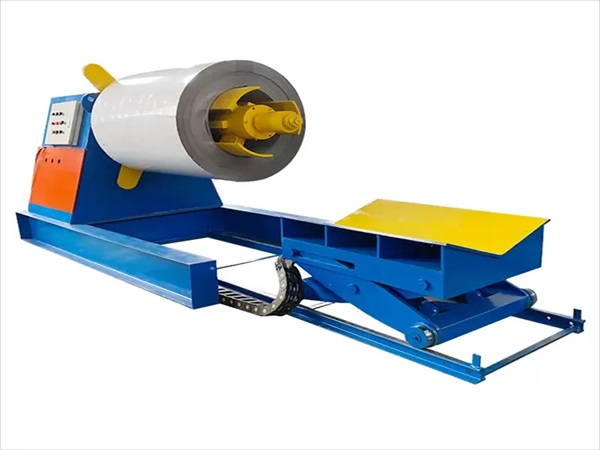
Looking for metal working machines for sale that deliver unmatched performance? Understanding how a vertical decoiler compares to a horizontal decoiler in terms of installation and setup helps clarify what adjustments and considerations are unique to each type of machine. The table below highlights key differences relevant to installation and initial configuration:
Aspect | Vertical Decoiler | Horizontal Decoiler |
Space Requirements | Occupies less floor depth but requires vertical clearance | Requires more floor depth for coil placement and rotation |
Coil Loading Direction | Coil loaded vertically through a lift or overhead system | Coil loaded horizontally onto the shaft |
Alignment Complexity | Requires precise vertical alignment with the feed line | Primarily horizontal alignment |
Operator Accessibility | Easier access for coil change from top or side | May require more space or platforms for loading |
Tension Control Setup | Adjusted with vertical brake/tension systems | Tension control may use horizontal drag or backstop systems |
The vertical decoiler often offers advantages in limited floor space environments and can simplify certain loading operations, while horizontal decoilers may be easier to load manually. However, both require careful alignment and tension setup to work effectively within a production line.
The successful installation and setup of a vertical decoiler are critical steps in ensuring that your decoiler uncoiler machine operates smoothly, safely, and efficiently. From preparing the installation site and leveling the machine to setting tension and ensuring accessibility for operators, each step plays a vital role in achieving consistent material feed and long‑lasting performance. Paying attention to these key considerations helps reduce downtime, maintain production quality, and support a safer workplace. With proper setup guidance, your decoiler uncoiler machine will seamlessly integrate into your production line, enhancing workflow and material handling capabilities. Partner with us for reliable advanced metalworking solutions optimized for efficiency and longevity.
References:

 English