Innovation Leads the Trend, Quality Drives Value

Metal processing machines hold a vital position in modern industry and is widely used across various sectors. Through techniques such as cutting, forming, welding, and heat treatment, these machines process raw metal materials into required components and finished products, supporting every stage of the manufacturing process. From automotive and aerospace to home appliances and construction, metal processing machines are indispensable. This article focuses on the application fields of metal processing machines and its essential role across different industries.
| Equipment Name | Core Function | Main Composition & Working Principle | Typical Application Industries |
|---|---|---|---|
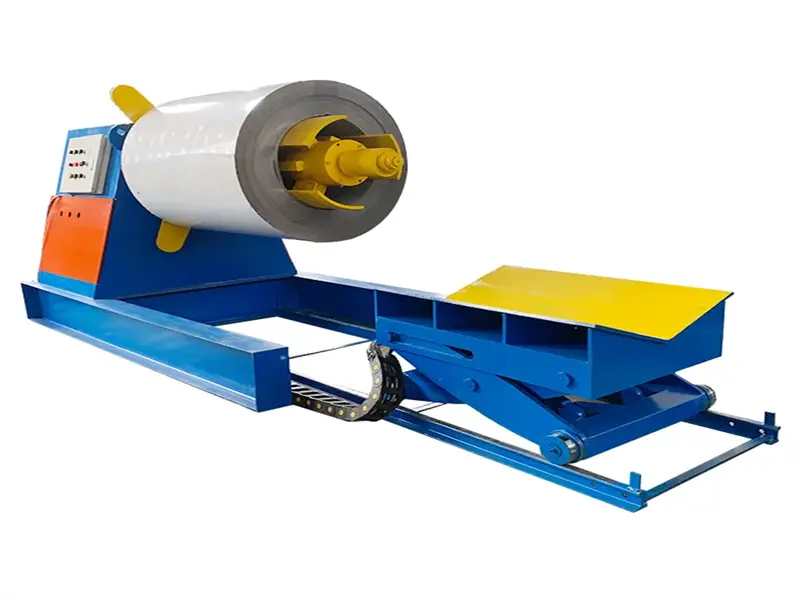
| Blanking Lines | Cut metal sheets into blanks with customized shapes | Consist of decoiler, leveler, feeder and blanking press. Complete coil unwinding, flattening, positioning and blanking in sequence | Automotive, home appliance, metal stamping |
| Rolling Mills | Reshape metal and reduce material thickness | A series of rollers apply pressure to create plastic deformation for sheets, strips and profiles | Metal sheet, plate, bar and rail manufacturing |
| Tube Mills (Pipe Mills) | Produce welded and seamless metal pipes | Gradually form metal strips into tubular shapes via rollers, then weld the edges into finished pipes | Construction, automotive, oil & gas |
| Levelers | Eliminate warpage and irregularities to flatten metal sheets/coils | Multiple leveling rollers exert uniform pressure to correct material deformation | Automotive body panels, home appliances, metal furniture |
| Pickle Lines | Remove rust, scale and surface contaminants | Metal coils run through acid tanks to clean surface impurities for subsequent processing | Metal rolling, coating and painting pre-treatment |
| Slitting Lines | Slit wide metal coils into narrow strips of required width | Composed of decoiler, circular slitter head and recoiler for full slitting and rewinding process | Steel service centers, metal stamping, packaging |
| Cut-to-Length Lines | Cut metal coils into sheets with fixed dimensions | Equipped with decoiler, leveler, measuring system and flying shear for precision cutting | Construction, roofing, general metal fabrication |
| Presses | Perform punching, stamping, bending and forming | Driven by mechanical, hydraulic or servo power to process metal into target shapes | Automotive, home appliance, general metal component production |
| Edging Lines | Trim strip edges to meet strict width tolerance | Combine decoiler, leveler and circular edging unit to remove edge defects | Steel service centers, high-precision metal strip production |
| Pipe Straighteners | Rectify bent or deformed metal pipes | Apply controllable pressure to restore pipes to standard straightness | Oil & gas, construction, automotive pipeline manufacturing |
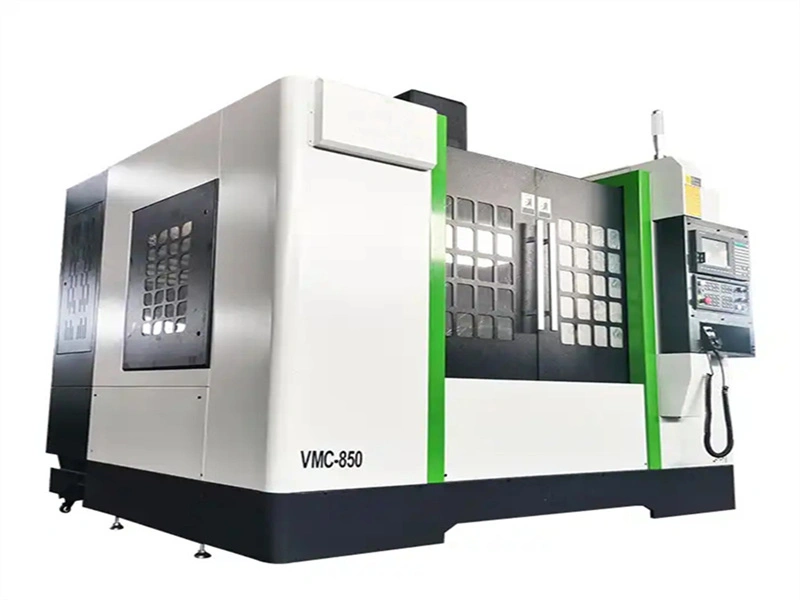
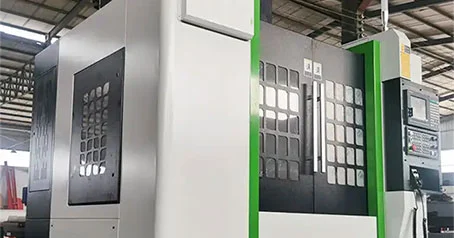
Metal processing machines play a crucial role in automobile manufacturing. CNC lathes, milling machines, and stamping presses are used to produce components such as engine parts, drive shafts, wheel hubs, and vehicle body frames. The automotive industry demands high precision in parts and efficient production lines to meet large-scale manufacturing needs. Metalworking machines ensure dimensional accuracy and mechanical performance of auto parts through precision machining, while automated production lines significantly enhance productivity.
The aerospace industry has exceptionally high requirements for metal processing machines, especially in terms of precision machining. High-precision CNC machines and specialized processing equipment are widely used in manufacturing critical components like aircraft engines, spacecraft shells, and turbine blades. In many advanced aerospace applications, CNC lathes and turning machines are used to manufacture complex metal parts with tight tolerances and consistent dimensional accuracy. These parts often utilize high-strength, lightweight metals such as titanium and aluminum alloys, and metal processing machines can precisely process these materials to ensure optimal performance under extreme conditions.
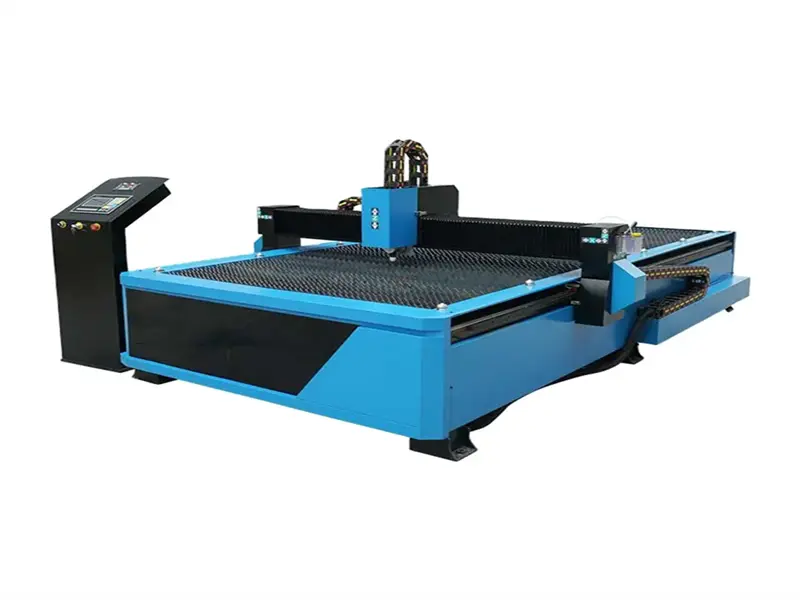
In the construction sector, metal processing machines are primarily used for fabricating and processing steel components such as beams, columns, window and door frames, and stair railings. Stamping machines, press brakes, and cutting machines play a key role in handling metal plates, pipes, and structural steel. These machines contribute to stronger, more stable building structures while also improving construction efficiency and accuracy, reducing labor costs.
Metal processing machines are also essential in the production of electronic products and home appliances. Components like appliance housings, PCB brackets, and metal enclosures are typically formed using stamping, bending, and welding techniques. In addition, many precision electronic components, such as motor shafts and connectors, require high-precision CNC machining to ensure their stability and reliability.
In the energy sector—covering oil, natural gas, and electricity—metal processing machines are widely used to manufacture critical components such as pipelines, valves, and pressure vessels. These components must offer high corrosion resistance, heat tolerance, and pressure resistance. Precision machining and heat treatment processes ensure their durability and reliability in harsh environments.
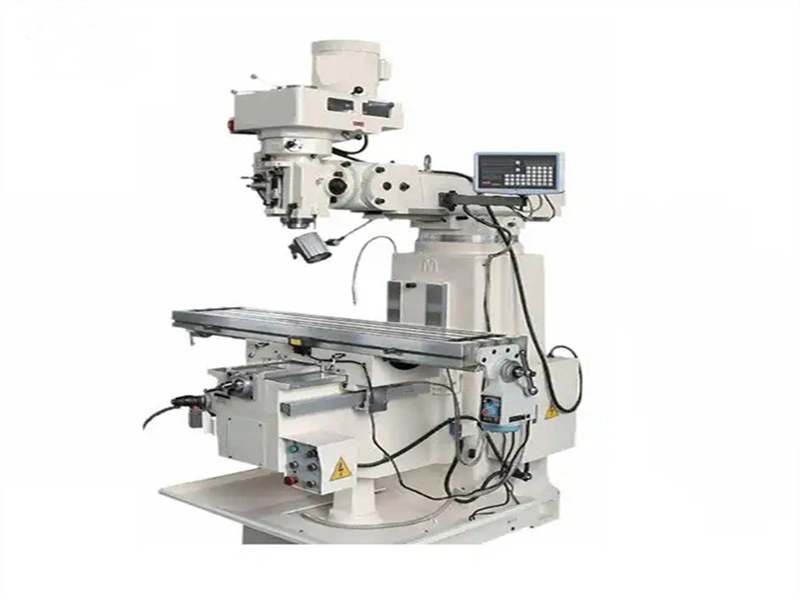
The mold industry is another key application area for metal processing machines. Whether for plastic molds, die-casting molds, or stamping molds, precise machining equipment is essential. Mold design and fabrication demand extremely high standards, particularly in terms of precision and surface finish. Metal processing machine such as high-precision milling machines, EDM (Electrical Discharge Machines), and CNC machines form the foundation of mold production.
As a fundamental part of modern manufacturing, metal processing machines are widely applied across industries and plays a crucial role in driving industrial development, enhancing productivity, and ensuring product quality. With the advancement of automation and intelligent technologies, metalworking machines are becoming more precise, efficient, and flexible, further accelerating innovation and progress across all sectors.
When selecting the right advanced metalworking solutions, specific application requirements directly impact equipment choice. Therefore, having a deep understanding of the application areas and functional characteristics of different machines is essential for both businesses and individuals. For those with industry-specific needs, choosing Shanquan as a trusted supplier of metal processing machines can be a key step toward improving productivity and competitiveness.

 English